
Sedalia, Colorado · Gas line service
24/7 Emergency Line Open
Gas Line Repair and Installation in Sedalia, CO: Leaks, Hookups and Pipe Replacement
Gas problems are the one case where you should not call first. If you smell gas, get everyone out and phone 911 from outside. This page covers what to do in that moment, how a plumber then repairs or installs gas piping, and what the common hookups involve.
- Licensed and insured plumbers
- Same-day service when available
- 24/7 emergency dispatch
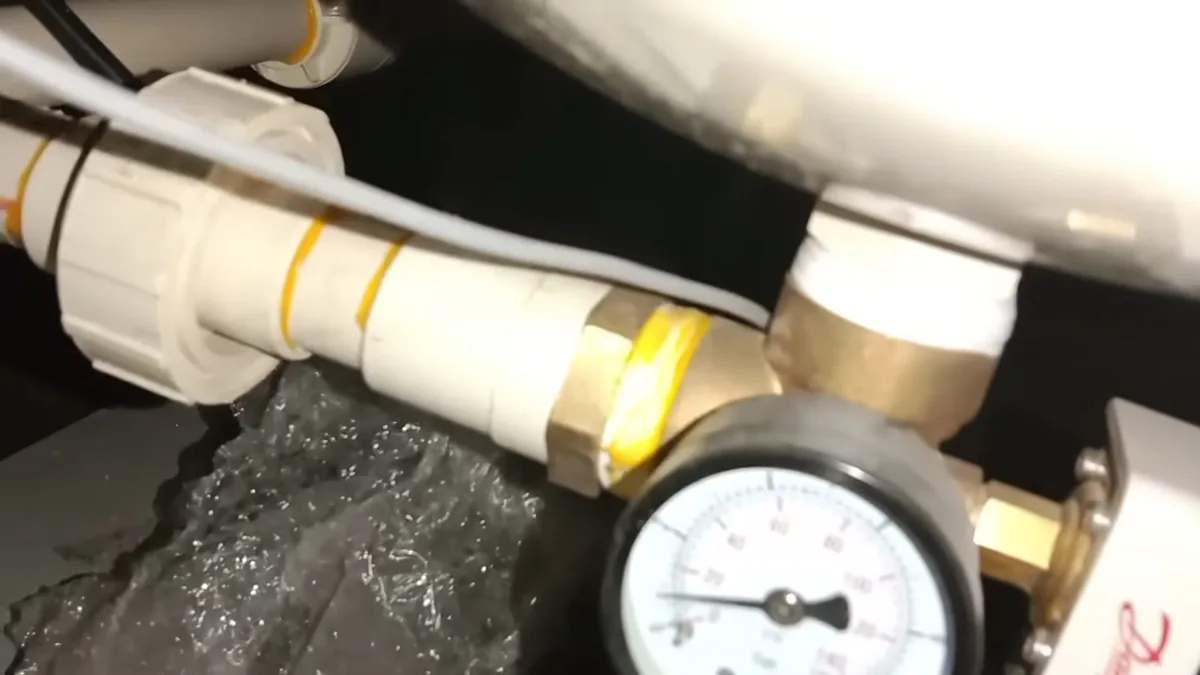
Smell gas? Act first, then call
Natural gas has a sulfur-like odor added on purpose so leaks can be noticed. Propane has a similar warning smell. If you notice it, the priority is getting away from it, not finding the source. A spark from a light switch, a phone, a garage door opener or a doorbell can ignite gas that has built up in a closed space.
- Leave the house right away with everyone and every pet, and leave doors as they are.
- Do not flip switches, use a lighter or start a vehicle in the garage while you are inside the smell.
- From a safe distance outside, call 911 and the gas utility or your propane supplier.
- Stay away until the utility or the fire department says it is safe to return.
- Once the area is cleared, call dispatch for a plumber to find and repair the leak before service is restored.
A smell outside the house, near the meter or along a yard line, is handled the same way. Move away, call from a safe distance, and let the utility make the area safe.
Gas line repair: what a plumber does
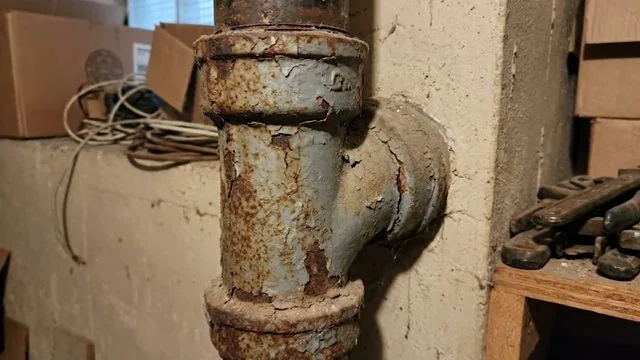
After the area is safe, a plumber locates the leak, usually with a combustible gas detector, a bubble solution applied to joints or a pressure test of the line. Common sources are a worn flexible appliance connector, a loose fitting at a valve or union, corrosion on an older steel pipe and damage where a line was nicked during other work. The repair depends on the source. A fitting may be tightened or replaced, a connector swapped, or a section of pipe cut out and replaced with the right material for the job.
After the repair, the plumber pressure tests the system again and checks every appliance connection before gas is restored. If the leak came from a larger problem, such as corroded pipe along its whole length, the next question is whether to replace the line. Ask the plumber to show you the failed part and explain what caused it.
Gas leak suspected or confirmed?
Leave first and call 911 from outside. Once everyone is safe, call dispatch to arrange the repair.
New gas lines and appliance hookups
Plumbers install new gas lines for ranges, cooktops, dryers, fireplaces, grills, generators and other appliances. A new line starts with load, which is the total demand of everything it will feed, compared with the capacity of the existing pipe. A line that is too small starves the appliance at the worst moments, usually when other gas appliances are running. The plumber chooses the pipe size, route and material, installs a shutoff valve within reach of the appliance, and pressure tests everything before connecting it.
| Appliance | What the job usually involves | Worth asking about |
|---|---|---|
| Range or cooktop | A line to the kitchen with a shutoff and a flexible connector | Whether the existing line can carry the load |
| Dryer | A line to the laundry area with a shutoff and a venting check | Clear venting and the connector's age |
| Fireplace or log set | A line into the firebox with a keyed or accessible valve | Clearances and the manufacturer's instructions |
| Outdoor grill or fire feature | An outdoor line, often with a quick-connect | Pipe protection and the burial or wall route |
| Standby generator | A dedicated line sized for a large load | Supply capacity and where the meter and the line enter |
Ask the plumber whether the work needs a permit and who pulls it, and keep the paperwork. Douglas County's mechanical permit page is the place to see how the county handles plumbing and mechanical work.
Replacing gas pipe: black iron, CSST and flexible connectors
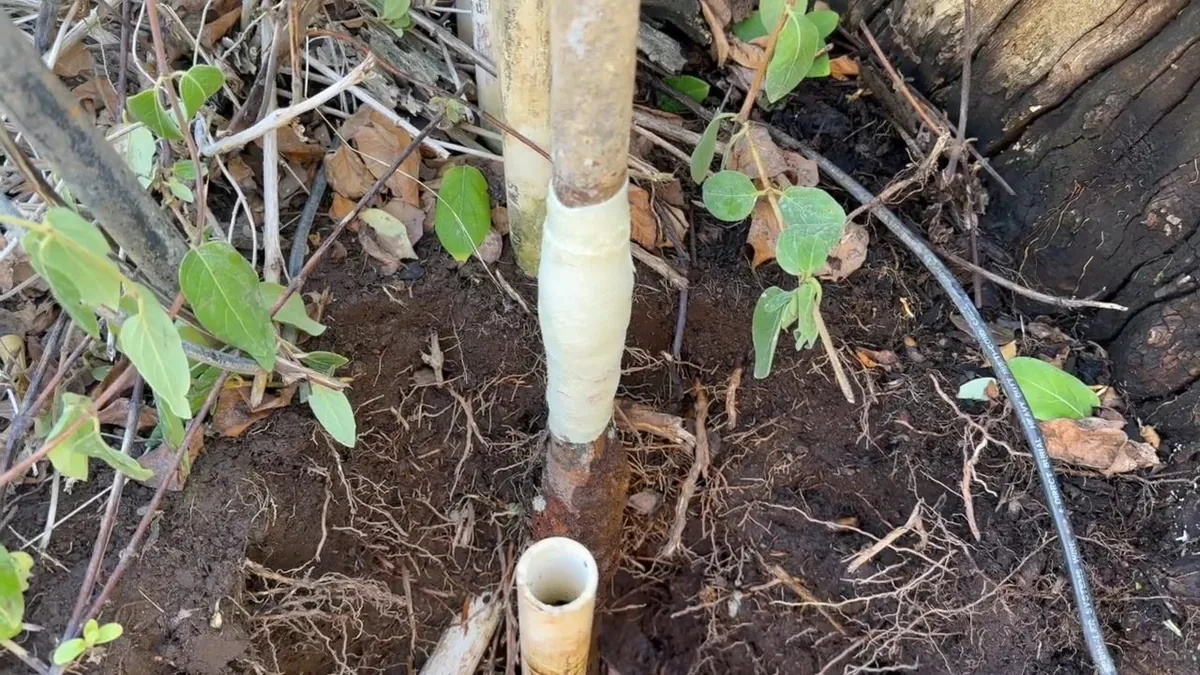
Gas pipe inside a house is made of a few materials. Black iron is rigid steel pipe with threaded fittings, and it lasts a long time when kept dry. CSST is flexible stainless steel tubing that runs through walls and ceilings with fewer joints, and it needs correct bonding and installation. Appliance connectors are short flexible lines, and they wear out with movement and age.
Replace pipe when it is corroded, when a leak recurs at the same place, or when an appliance change calls for a larger line. A plumber's job after a water heater or furnace is replaced is to check that the gas connection, valve and connector suit the new unit, because the old ones were sized for a different load. If an old connector looks cracked or kinked, have it replaced rather than reusing it.
Propane, inspections and pressure tests
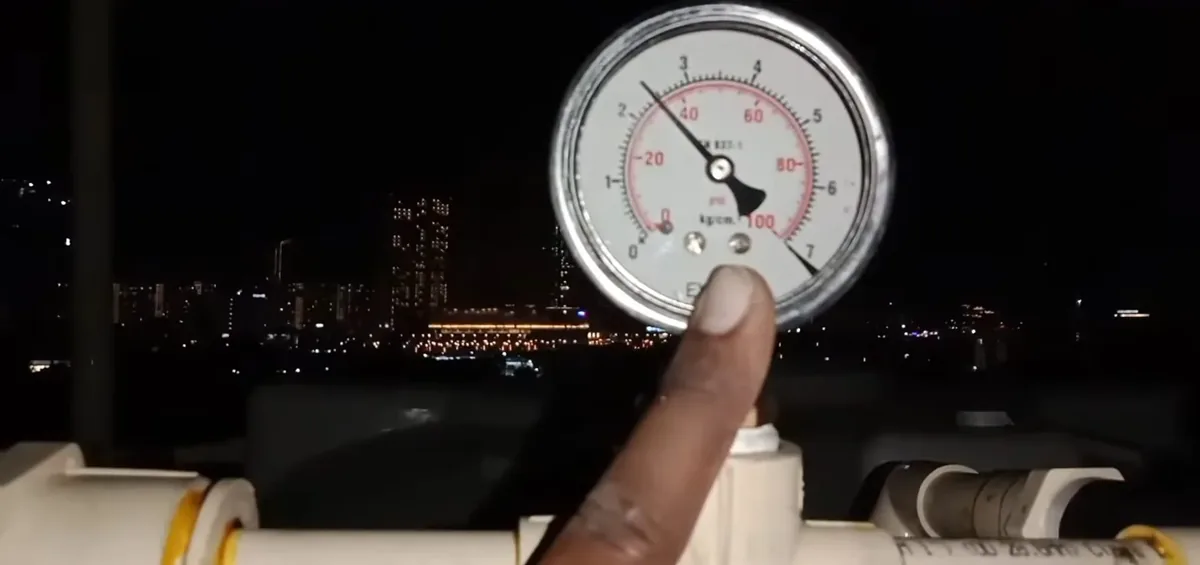
Some homes run on propane stored in a tank on the property instead of piped gas. The plumber's work covers the piping inside the house and to the appliances. The tank and its regulator belong to the supplier, who handles refills, leaks at the tank and tank equipment. If you are not sure which type you have, check for a meter on the house or a tank in the yard, or ask your supplier. An inspection with a pressure test is useful after any work on the system, when buying a home, or after an earthquake, flood or fire has affected the building. It shows whether the pipe holds pressure and finds small leaks that a nose cannot.
Gas line questions
Who fixes gas leaks?
The utility or propane supplier makes the area safe and shuts off supply, and the fire department responds to an emergency. A plumber repairs the piping inside the house once it is safe. Call 911 first if you smell gas.
Is emergency or same-day gas line service available?
Dispatch runs around the clock, and same-day repair is possible if a plumber has an opening. For a suspected leak, leave the house first and call 911 from outside before calling dispatch.
Do I need the gas line replaced after a water heater installation?
Sometimes. The gas valve, connector and pipe size must suit the new unit's load. A plumber checks them during the installation and replaces any that are worn, undersized or do not match the new appliance.
What should I do if I smell gas outside my house?
Move away from the area, call 911 and the gas utility or propane supplier from a safe distance, and keep others away. Do not use switches or start engines nearby. Wait for the all clear before going back.
Gas line repair or a new hookup?
Dispatch is on the line now. For a suspected leak, leave and call 911 first, then call to arrange the repair.
- Licensed and insured plumbers
- Same-day service when available
- 24/7 emergency dispatch