
Sedalia, Colorado · Slab leak detection and repair
24/7 Emergency Line Open
Slab Leak Detection in Sedalia, CO: Signs, Location and Repair Options
Slab leak service finds and repairs water lines that run in, under or through a concrete foundation, and it is for any homeowner whose floor, bill or hot water hints that water is escaping out of sight. Detection comes first and cutting comes last, and dispatch can say whether a first visit is possible today.
- Licensed and insured plumbers
- Same-day service when available
- 24/7 emergency dispatch
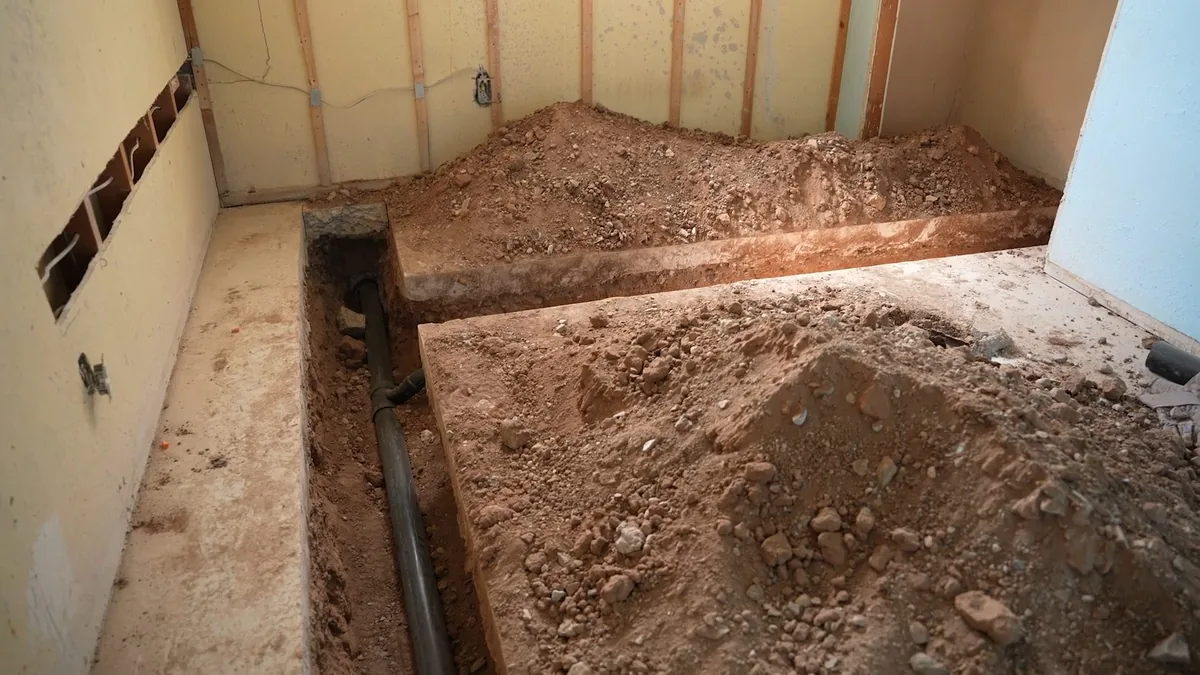
Slab leak repair: the options and when each one fits
Once a leak under concrete is confirmed and located, the plumber has three realistic ways forward. Which one is right depends on how many leaks the line has had, what the pipe is made of, and how much of the floor can be opened without disrupting the house.
| Option | What happens | When it tends to make sense |
|---|---|---|
| Spot repair | A small section of slab is opened at the located leak and the pipe is repaired | One isolated leak in a line that is otherwise in good shape |
| Reroute | The failing line is abandoned and a new one is run overhead through walls or the attic | Repeated leaks in the same run, or a line that is hard to reach |
| Lining or epoxy coating | The inside of the pipe is coated to seal pinholes without opening the slab | Short runs in sound pipe where access is limited |
| Tunneling | A small tunnel is dug under the slab to reach the pipe from outside | When cutting the floor inside would be especially disruptive |
None of these is always the best answer. A single repair that works today can still leave older pipe nearby that will fail next year, and a reroute costs more in one visit while removing the buried line from the picture. A good plumber lays out both and says which they would choose in their own house.
Slab leak detection: confirming the leak and locating it
Detection comes before repair, and it is the step that decides how much of the floor is ever opened. The work usually runs in this order.
- Confirm that water is leaving the system. Every fixture goes off and the meter is watched for movement.
- Isolate the hot side from the cold side to see which line is losing water.
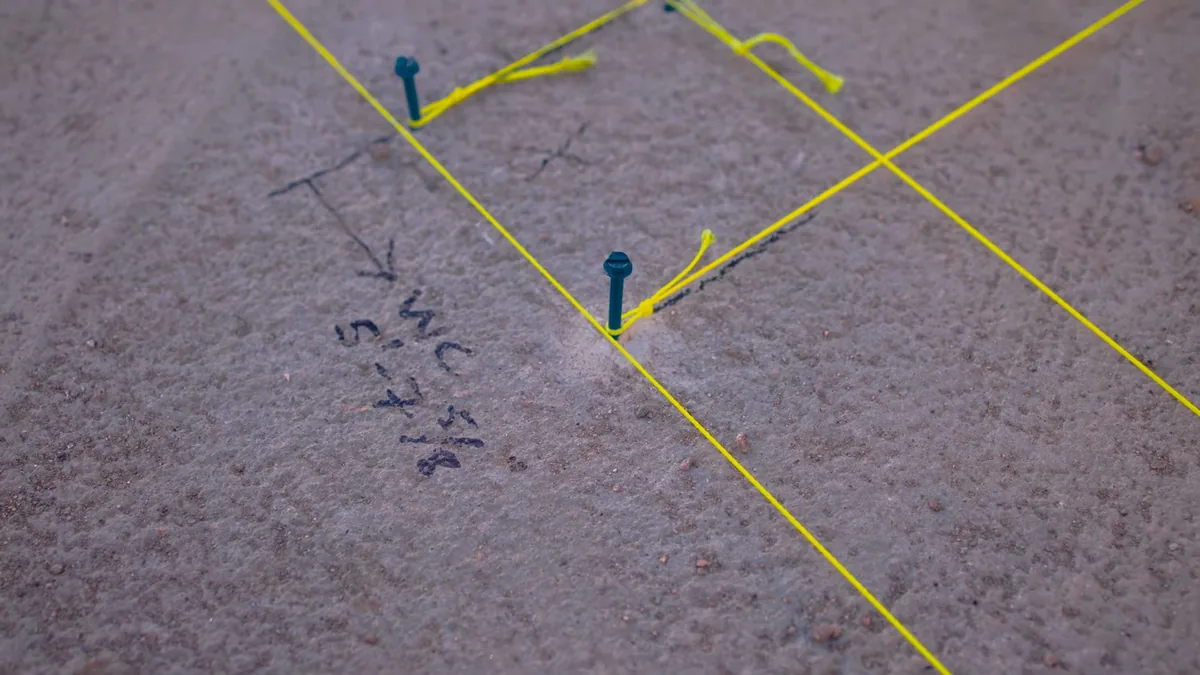
- Locate the leak with acoustic listening and electronic tracing, then mark the spot on the floor.
- Scan the slab before anything is cut, so cables and other buried items are known before the saw comes out.
- Document the findings with photos and a written location report, which also helps if an insurance claim follows.
Locating a leak to within a few inches is realistic with good equipment, which keeps an opening small. A plumber who cuts first and searches second is the one to avoid. Ask to see the marked location and how it was found, and ask what the opening will look like before work starts, including how the floor covering will be handled afterward.
Warm spot on the floor or a humming sound?
Those are classic early signs. Call and describe what you notice, and dispatch will line up a plumber who locates the leak before any concrete is cut.
Confirm your foundation before you suspect a slab leak
The phrase "slab leak" only applies if the house sits on a concrete slab, so the first job is to confirm that. Many Douglas County homes have basements, and a leak in a basement home usually shows in the ceiling or on the floor below, not in a slab. A plumber can tell you what you have in a few minutes by looking at the lowest level and the meter.
Slab foundations hide water lines in two common ways: pipes cast into or laid beneath the concrete, and lines that run in the sand and gravel under it. Newer slabs may also contain post-tension cables, steel tendons held under tension, which have to be located by scanning before any cutting. That is a general construction practice rather than a statement about any one street, and it is the reason scanning comes before the saw.
How soil movement enters the picture
The Colorado Geological Survey writes about swelling soil and bedrock, and collapsible soil, as causes of damage to houses across north-central Douglas County. The county's basement finish guide allows for as much as 3 inches of movement under non-bearing walls on slab-on-grade floors. Ground that moves can stress a line where it passes through concrete, so movement is one cause a plumber considers. Sources: Colorado Geological Survey and Douglas County basement finish guide.
Whether any particular Sedalia home has the movement problem is a question for an on-site look. The facts above explain why a plumber asks about the foundation, and why a slab line that fails once may not be the last one to do so.
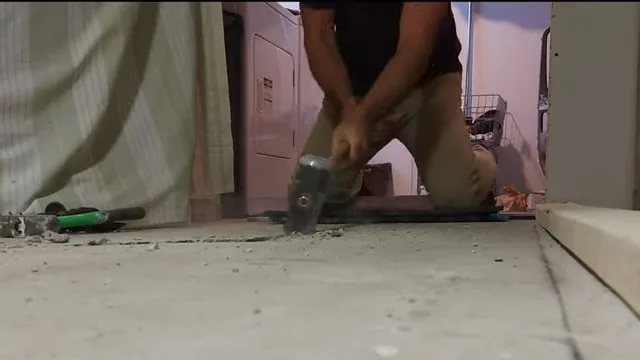
Signs of a slab leak
Slab leaks rarely show water. They show side effects, and several of them can appear together.
- A floor that feels warm underfoot, especially in one spot, which can mean a hot water line is leaking beneath it.
- The sound of water running or hissing when everything is off, loudest at floor level.
- A bill that climbs although nobody is using more water, or a meter that keeps turning with every fixture closed.
- Water pressure that drops, or hot water that takes longer to arrive.
- Damp carpet, lifted flooring or baseboards that swell without an obvious source.
- A musty smell near the floor, or mildew along the base of a wall.
If several of these line up, call before the damage spreads. In the meantime, closing the main shutoff stops the loss and gives you time. Check the meter again afterward: if it stops turning, the leak is on the house side of the meter, which narrows the search considerably. If the water can be off for an hour or two, a plumber can then run the isolation test without the line pressurized.
A leak that has already soaked flooring or drywall is a second problem, handled on the water removal and drying work. Repeated leaks across several lines usually lead to the question of replacing the lines, which the repiping and pipe repair page covers.
Insurance, documentation and what to keep
Whether a policy covers a slab leak depends on the policy, and the answer belongs to the insurer and the policyholder, not the plumber. What the plumber can do is document what was found: the location, the line affected, the method used to confirm it, and photos before and after. Keep the written report and the invoice together, and call your insurer before major work begins if you plan to file a claim.
If water is already pooling or a floor has begun to lift, shut off the main first, then call.
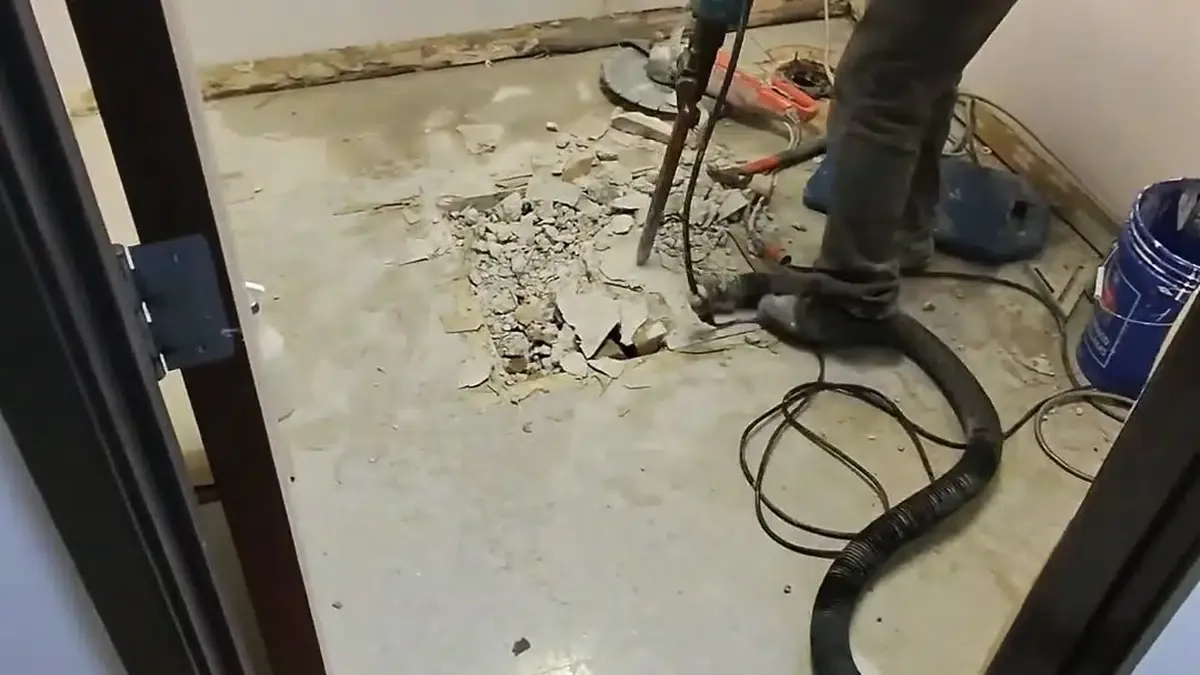
Leak under the floor and no idea where?
Call dispatch and say what the floor feels like and what the meter is doing. A licensed and insured plumber serving your area can take it from there.
Slab leak questions answered
What are the signs of a slab leak?
The most common are a warm patch on the floor, the sound of running water when everything is off, a water bill that climbs for no reason and low pressure at the taps. Damp carpet or a musty smell near the floor can also point to it. No single sign proves it, so a meter test and a plumber's listening check confirm the diagnosis.
How do I know whether my home even has a slab?
Look at the lowest level of the house. A basement or a crawl space means the main floor is framed above open space, so a leak there is not a slab leak. A concrete floor poured at ground level is a slab. If you are unsure, a plumber can tell you in a few minutes.
Can a slab leak be handled the same day?
Detection can often start today if a plumber has an opening, and dispatch will say what is open. Repair work depends on the method chosen. A reroute or a spot repair may take a visit or two, and any floor work needs to be planned before the plumber begins.
Is a slab leak an emergency?
It can be. A leak under concrete can run for a long time unseen, and a hot water line leaking under a floor wastes both water and energy. Closing the main shutoff stops the loss, and then a call to dispatch arranges the next step.
Slab leak suspected in Sedalia?
Dispatch is answering around the clock. Tell them what you have noticed, and they will arrange a plumber serving your area.
- Licensed and insured plumbers
- Same-day service when available
- 24/7 emergency dispatch