
Sedalia, Colorado · Water heater installation
24/7 Emergency Line Open
Water Heater Replacement in Sedalia, CO: Sizing, Fuel Type and Permits
Choosing a new water heater means more than picking a size. The fuel, the venting, the permit and the installer all shape how well the new unit serves you. This page covers what to decide before the old tank comes out, what happens on the day, and when a same-day visit is realistic.
- Licensed and insured plumbers
- Same-day service when available
- 24/7 emergency dispatch
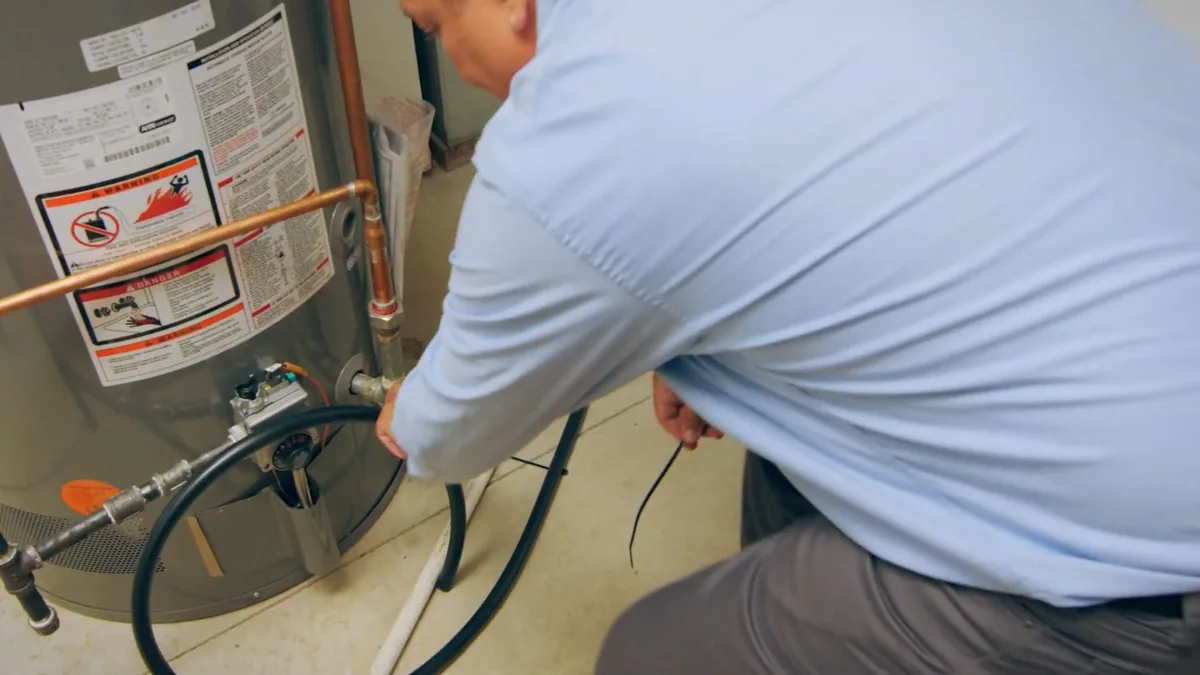
Replacement: when the old tank has to go
A tank that leaks from its body cannot be patched, because the steel liner has failed and water will keep finding the same weak point. A unit that needs a new part every few months is also telling you something, and so is one that no longer keeps up with the household. In each case the useful question is not whether to replace but how quickly, since a failed tank can put water on the floor without warning. If the unit is already dripping, the water heater repair page explains how to shut it down safely until a plumber arrives.
Replacement is a chance to correct what the first installation got wrong. A unit that was always too small can be sized properly. A unit placed where it was hard to service can be moved if the plumbing allows. Old connectors, a worn shutoff valve and a corroded vent can be swapped in the same visit, so the new heater is not connected to tired parts. Ask the plumber to walk you through what will change and what will stay.
When the old unit is gone, the plumber disconnects it, drains it, hauls it out and sets the new one in its place. That sounds simple, and often it is, but each step has a safety check attached, especially for gas units. The sections below cover the decisions that come before that work begins.
Gas, electric, hybrid and heat pump models
Fuel type drives most of the installation. A gas tank needs a gas connection, a combustion air supply and a vent that carries exhaust outside. An electric tank needs a circuit sized for its elements and no venting at all. Hybrid and heat pump water heaters move heat from the surrounding air into the tank, which is why they need open space, a drain for condensate and a location that tolerates the cool air they produce. The table sets the main points side by side.
| Type | What it needs | Worth asking about |
|---|---|---|
| Gas tank | Gas line, vent, combustion air | Condition of the vent and the gas connector |
| Electric tank | A dedicated circuit and a power shutoff | Whether the panel and wiring suit the new unit |
| Hybrid or heat pump | Open airspace, a condensate drain and power | Clearance, noise and the room the unit will sit in |
| Tankless | Gas or electric supply and, for gas, a vent | Flow rate and the cost of changing the supply |
Switching fuel is possible but is a larger job, because it changes the gas, vent or electrical work. Staying with the same fuel keeps the work simpler and usually the visit shorter. The tankless water heater page explains what changes when you move from a tank to an on-demand unit.
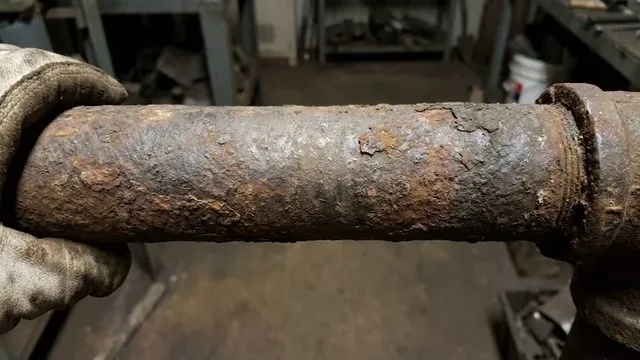
Need a new heater, not a repair?
Call dispatch with the fuel type and what the old unit is doing. Dispatch can tell you whether an installation visit is open today.
What installation day looks like
Knowing the sequence helps you plan the day, because the water and sometimes the gas or power will be off for part of it. Most tank replacements follow the same order.
- The plumber confirms the model, fuel type, venting and connections against what you ordered or agreed.
- Power or gas is shut off and the cold water valve is closed. A hot tap is opened so the tank can drain.
- The old unit is drained, disconnected and removed from its space, and the floor and pan are checked for damage.
- The new unit is set, leveled and connected to water, with new connectors where the old ones are worn.
- Venting, gas or electrical connections are completed, and a relief valve and discharge line are installed.
- The tank is filled, air is bled from the lines, and the unit is fired or powered up and tested before the plumber leaves.
Ask the plumber to show you the shutoff valves, the relief valve and the thermostat setting before leaving. Those three items are the ones you are most likely to need later, and a minute spent on them saves a call.
Expansion tanks, permits and code
Heating water makes it expand, and in a closed plumbing system that extra volume has nowhere to go. An expansion tank gives it room. Whether your system needs one depends on how your water supply is set up, so ask the plumber to check for a backflow or pressure-reducing device at the main and to tell you what they found.
Permit rules for a replacement
Douglas County says on its mechanical permit page that plumbing work, whether new, altered, repaired or replaced, requires a mechanical or a plumbing permit, and that a basic water heater replacement is a mechanical permit in unincorporated Douglas County. If the replacement is an emergency, the county expects the permit by the next working business day. Whether your address is inside a town or in the unincorporated county is worth confirming first, since the rules can differ.
The Colorado State Plumbing Board explains on its permit and inspection page that a homeowner may do plumbing work on their own home with a permit, and that a contractor pulls the permit for hired work. When you hire out the job, ask who is pulling the permit and whether the fee is on the quote. An inspection afterward is part of the process, so the final step is not finished until the work has been checked.
Choosing an installer and the right size
Choosing between installers is mostly about what they will tell you before the work starts. A good answer covers the model and why it fits, the fuel and venting plan, who handles the permit, and what happens to the old tank. A vague answer covers none of that. Say that you are looking for a licensed and insured plumber, and ask that the quote name the unit being installed and what is included.
Size matters as much as brand. The tank's label gives its capacity in gallons, and the manufacturer's rating sheet gives its first-hour rating, which is how much hot water it can deliver in the first hour of heavy use. Match that number to the busiest hour in your home, when showers, a dishwasher and a washer may all run together. A household that has never run out of hot water usually does well with the same capacity as before. If you have run out regularly, or the home has gained people or bathrooms, ask about a larger tank or about tankless. Plumbers can also install point-of-use units under a sink for a distant tap and hybrid units where there is room and the water runs steadily.
No hot water today?
When the old unit has failed and the household needs hot water now, say so when you call. The dispatch line is open day and night, and same-day installation can be arranged if a plumber has an opening. A unit already in stock locally makes same-day work likelier, while special-order models take longer. In the meantime, close the cold supply valve if the old tank is leaking and keep water off the floor, as the repair page describes.
Even in a rush, the permit and the safety checks still apply. A plumber who skips them to save time is leaving you a problem to find later, so do not trade them for speed.
Installation questions answered
Do I need a plumber for a water heater installation?
Gas connections, venting, relief valves and permits make this a job for a plumber in most homes. A homeowner can do plumbing in their own home with a permit, but a mistake with gas or venting can be dangerous, so hiring a licensed plumber is the safer path.
Is same-day or emergency installation possible?
Often it is, when dispatch has a plumber available and a suitable unit can be found. Call, describe the failed unit and ask what is open today. Special-order models usually take longer.
How do I find the right size for a replacement?
Start with the capacity and first-hour rating printed on the old unit's labels. If you have never run short, match them. If you have, or the household has grown, ask the plumber for a larger tank or a tankless unit rather than the same size again.
Should I choose a tank or a tankless unit?
A tank suits a household that wants a like-for-like swap. A tankless unit saves floor space and gives hot water on demand, but it can change the gas or electrical work. The tankless page compares the two.
Is gas, electric, hybrid or heat pump the better choice?
The best choice follows what your home already has and what you want to change. Gas and electric tanks are the simplest swaps. Hybrid and heat pump units need room and a condensate drain, so they suit some spaces and not others.
Ready to replace the water heater?
Dispatch is on the line now. Say what the old unit is doing, and a licensed and insured plumber serving your area will be arranged.
- Licensed and insured plumbers
- Same-day service when available
- 24/7 emergency dispatch